The worst thing that can happen before launching a sportsbook is underestimating the necessary investment. As a result, potentially successful projects fail before they even reach the break-even point.
It might seem like you just pick a platform, plan your marketing, and off you go! But then it turns out that licenses cost money too, along with payment solutions, a team, support, legal services, and the initial ramp-up period.
Of course, everything also depends on the investors’ ambitions. For a small project in developing regions, a budget of $150,000 might be enough. For a fully-fledged licensed platform in regulated jurisdictions, you’ll need at least $1,000,000 even before the first bet appears on the site.
We’ll explore the essential cost categories you need to factor in, providing realistic price points to ensure your business plan reflects the true cost of launching a sportsbook.
Before diving into the detailed breakdown, here’s an overview of sportsbook startup costs in 2026:
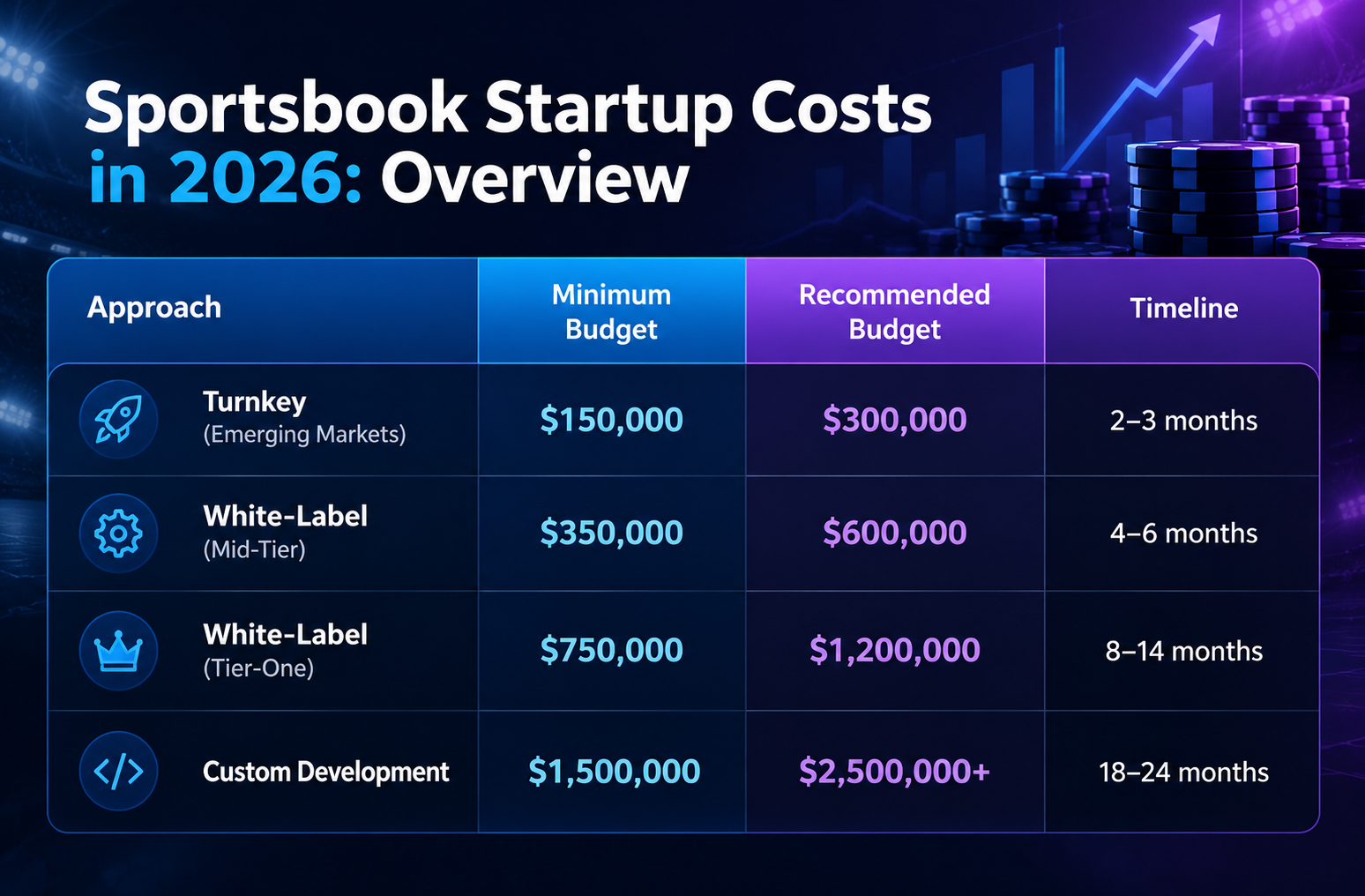
These figures include first-year operating expenses and initial marketing investments. If these costs are underestimated, a cash flow crisis is inevitable, even despite a successful launch.
The platform is your biggest expense, both upfront and ongoing. There are three main models to choose from, each with its own cost structure.
The fastest way to get into the sports betting business is to buy a ready-made platform. The provider handles all the technical details and development, and you’ll have a fully functional website with your own logo in just a couple of weeks.
Here’s what the budget consists of:
1. Setup fee. To gain access to the platform and have the design customized, you’ll need to pay between $10,000 and $50,000. The final cost depends on your ambitions and the provider’s “brand.” For example, market leaders like BetConstruct or SBTech are expensive, but their software doesn’t “crash” when the site is flooded with players.
2. Monthly subscription fee. To keep the site running and odds updated, you’ll need to pay between $5,000 and $25,000 per month.
The economy package will include only the basics: betting on popular sports and standard support.
Premium plans add an expanded line (even for a dominoes championship), cool tools for traders, and a personal manager who will solve your problems 24/7.
3. Success Tax (RevShare). Almost all software providers want a share of your business – usually between 5% and 15% of GGR (the difference between the total amount of all bets and all payouts).
But there’s a catch! The revenue-share model looks tempting at the start – you pay less in fixed fees while you’re still getting off the ground. But as soon as you hit high volumes, that 15% will turn into huge sums that will significantly “cut into” your net profit.
Ready-to-deploy platforms with minimal technical involvement:
Year One Total: $70,000-$350,000
White Label is for those who want a ready-made solution, but not a cookie-cutter one. The provider supplies the “engine,” while you handle the marketing and customer service.
How much does it cost to get started: From $30,000 to $100,000. Most of the cost goes toward customizing the platform for you. If you want to integrate specific payment systems or come up with exclusive features that others don’t have, it will cost more.
Monthly costs: Platform rental and support cost $10,000–$40,000. The volume-based rule applies here: the more revenue you generate for the platform, the lower the percentage of revenue it takes from you.
Revenue share: The industry standard here is 8–12% of GGR.
With some providers, you can negotiate a switch to a fixed fee. Once the project gains momentum and reaches its target profit, you simply pay a fixed monthly amount instead of a percentage – which is much more cost-effective for large businesses.
Greater customization while leveraging established infrastructure:
Year One Total: $150,000-$580,000
Developing your own technology for a betting platform allows you to avoid ongoing fees associated with using third-party platforms. However, this approach requires significant upfront investment and a lengthy implementation timeline.
The cost of developing a competitive betting platform ranges from $500,000 to $1,500,000. This amount includes user interfaces, back-office systems, risk management tools, and mobile apps. Complex features, such as real-time betting mechanisms or a proprietary odds calculation system, also increase the budget.
When it comes to the timeline for such full-featured platforms, it is unlikely that a high-quality product will be ready in less than 12-24 months. Rushed development inevitably leads to numerous flaws, the correction of which requires significant costs.
And ongoing maintenance will require a dedicated technical team. You’ll need to allocate a budget of $20,000-$50,000 per month for developers, DevOps engineers, and quality assurance specialists who will monitor and improve your platform.
Maximum flexibility, but the highest entry barrier:
Year One Total: $860,000-$2,700,000
Licensing and Regulatory Costs: The Price of Legitimacy
While operating without a license might seem more profitable upfront, it inevitably leads to terminal issues: blocked payments, lack of partnerships with leading software developers, and constant legal risks. Operating legally is the only way to ensure long-term stability.
In 2026, the regulatory landscape is divided into three primary tiers based on cost, prestige, and market access.
These licenses offer maximum credibility and access to the most lucrative regulated markets. However, they require deep pockets and rigorous auditing.
The most popular "prestige" license for international operators:
Total Year One: $190,000-$255,000
Essential for the UK market, known for the strictest player protection rules:
Total Year One: $190,000-$505,000
Highly exclusive; usually requires a physical office and local staff:
Total Year One: $315,000-$505,000
Ideal for startups that need to quickly establish a legal structure without having to invest huge sums of money, as is required in Malta or the UK.
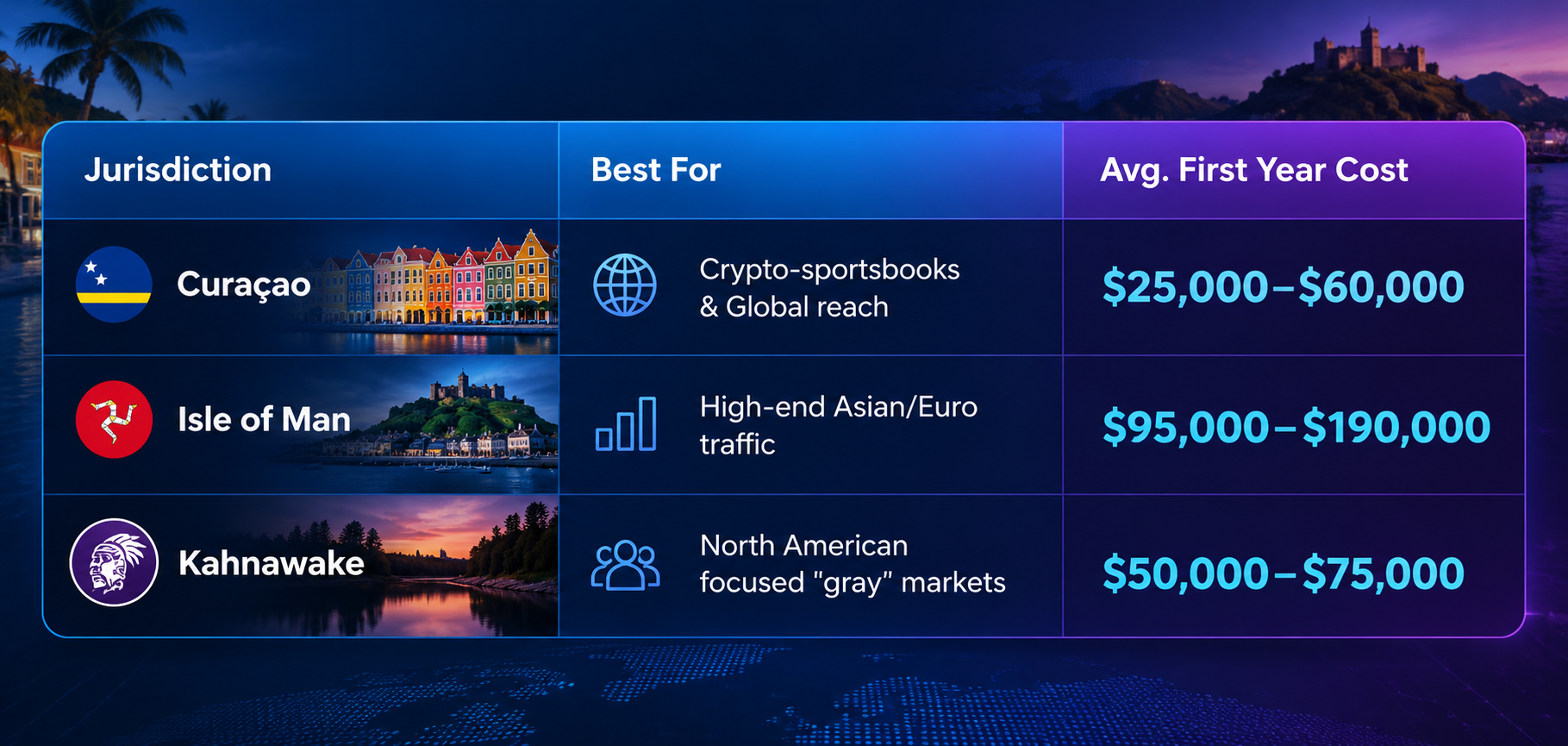
The US market is unique: you don't get one «US license». Instead, you must license state-by-state, often through a «tethering» agreement with a local land-based casino.
When calculating your sportsbook cost, remember that regulators don't just look at fees; they require proof of Capital Adequacy.
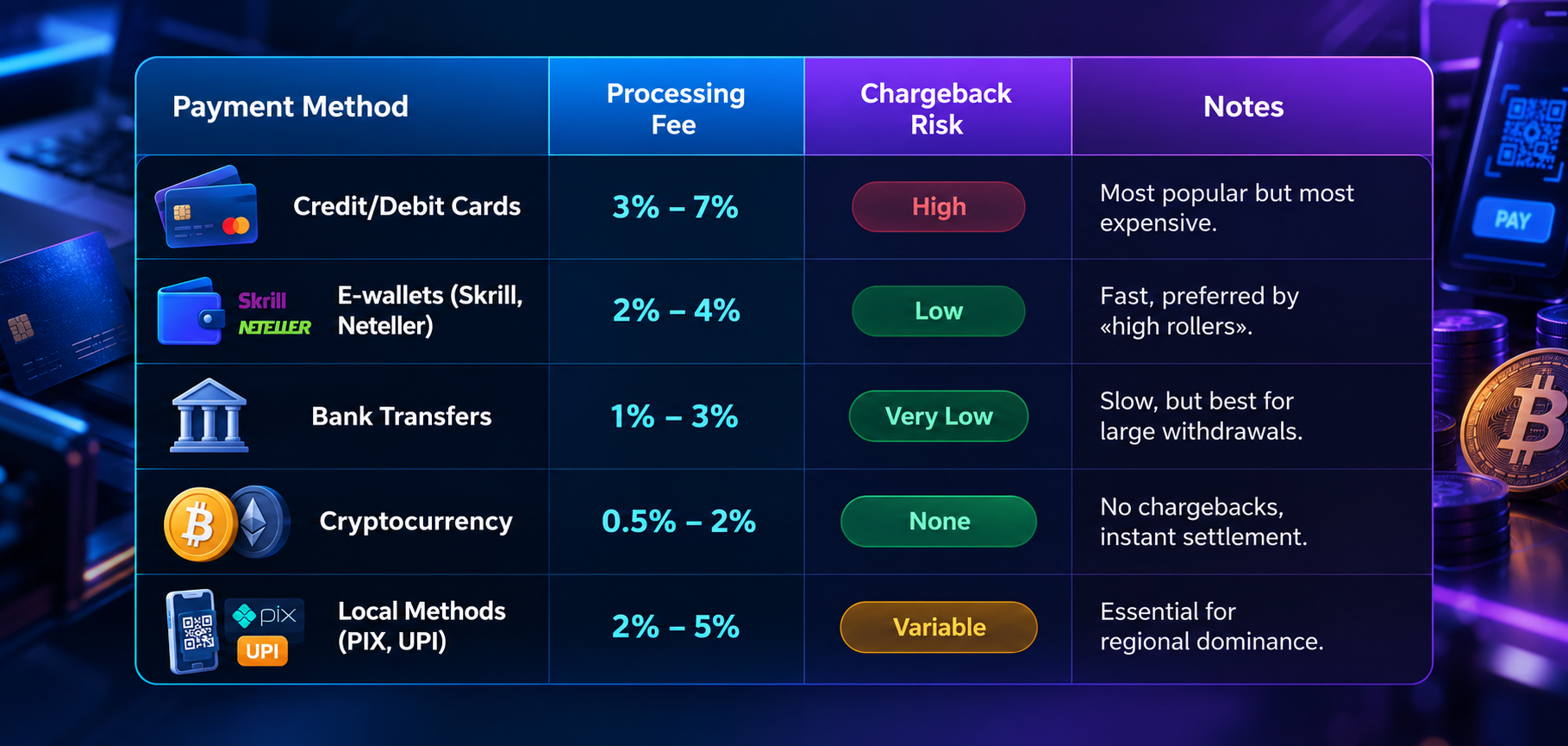
The seamless operation of a payment system directly impacts conversion rates and player satisfaction. In the high-risk world of sports betting, you’re not just paying for the transaction itself, but for the stability and security of financial flows.
Expect to integrate at least two or three different processors to ensure redundancy. If one gateway goes down or flags your traffic, your business shouldn't stop.
Example: If you process $1,000,000 in your first month, up to $100,000 could be locked away, significantly impacting your initial working capital.
Transaction costs directly impact your margins. Your «Hold» (the profit kept after winning bets) must be high enough to cover these percentages.
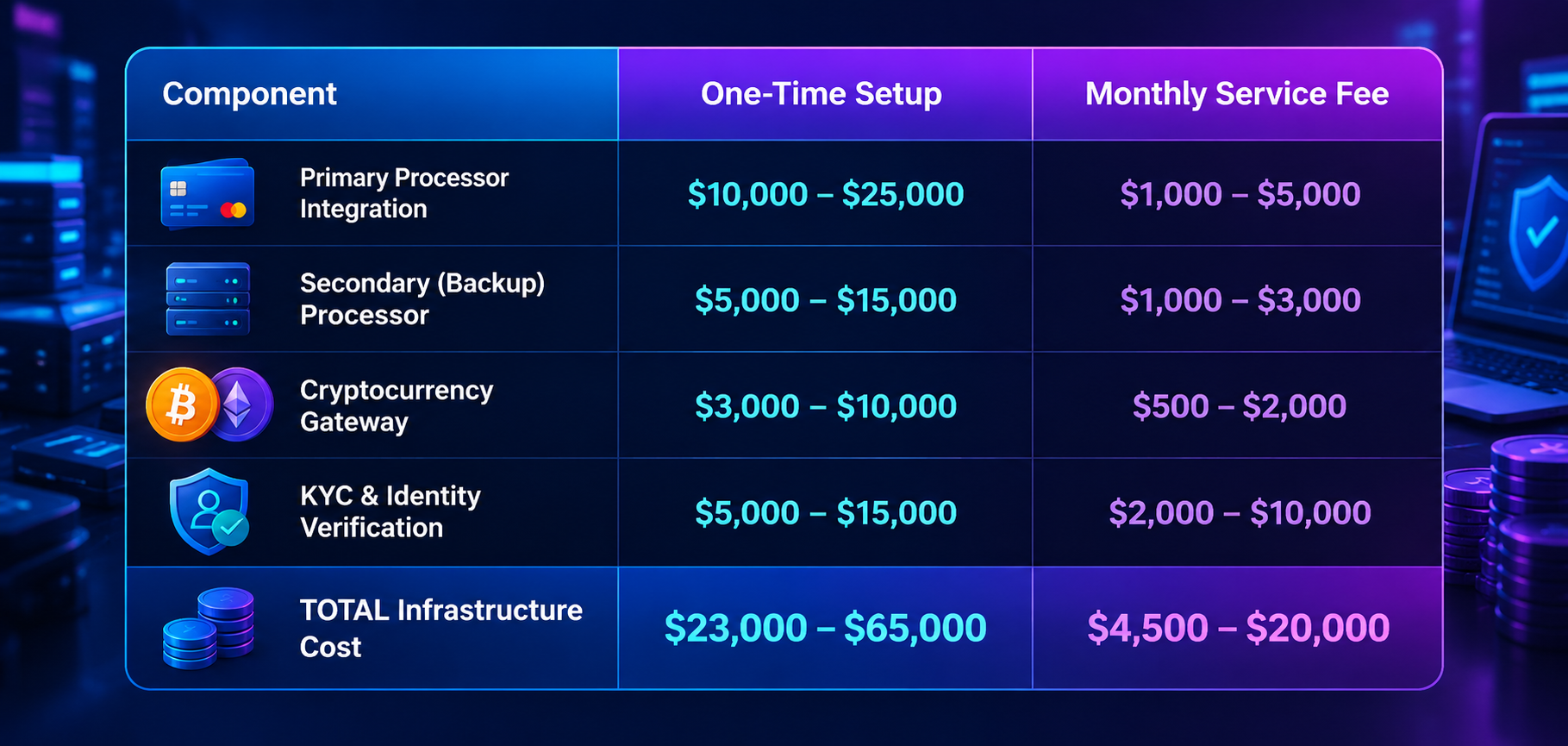
In 2026, regulators are increasingly strict about KYC (Know Your Customer) and AML (Anti-Money Laundering).
Even technology-driven sportsbooks require human expertise across critical functions. Underestimating staffing costs threatens operational quality and compliance adherence.
Compliance Manager Ensures regulatory adherence and manages licensing relationships. Essential for any licensed operation:
Customer Support Representatives Direct player interaction impacts retention and satisfaction significantly:
Trading/Risk Manager Protects margins through odds management and liability control:
Marketing Manager Drives acquisition and retention programs:
Technical Support Maintains platform stability and addresses issues:
Even a tech-driven sportsbook requires a professional team to manage compliance, risk, and support. Depending on your scale, here is the annual payroll outlook for 2026:
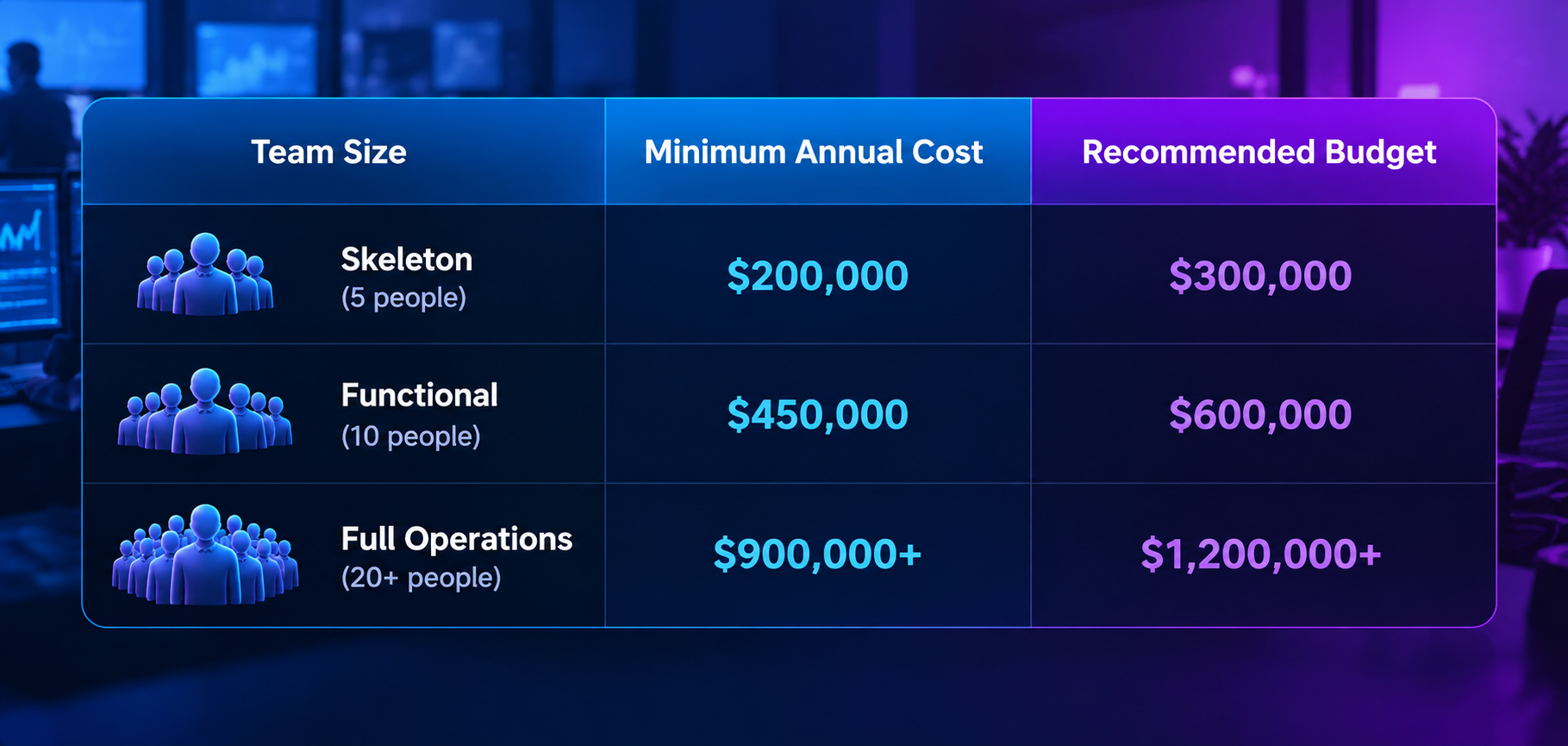
Physical office requirements vary by jurisdiction. Malta and Gibraltar licenses require local presence:
Remote operations reduce overhead but complicate compliance in some jurisdictions:
Launching without adequate marketing budget guarantees failure. Customer acquisition costs in sports betting frequently exceed expectations, and underfunded marketing results in insufficient volume to cover fixed costs.
Building brand awareness before the official go-live date is essential to accelerate initial player acquisition.
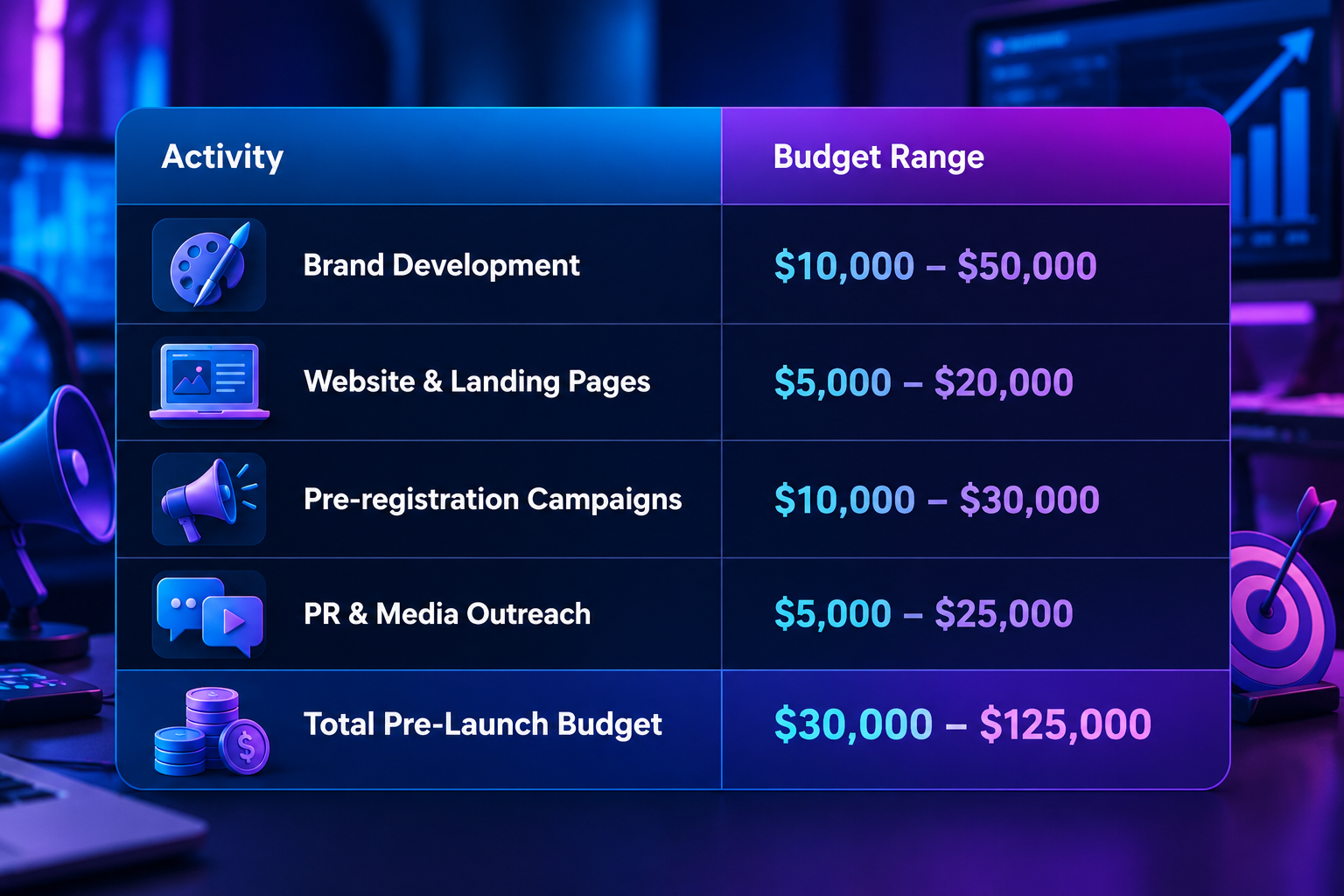
Affiliate marketing remains the most cost-effective acquisition channel:
Paid advertising faces restrictions in many jurisdictions but remains viable where permitted:
Welcome bonuses effectively subsidize acquisition costs:
Sponsorships and partnerships build brand credibility:
Acquisition costs in the betting industry are high, requiring a strategic split between the aggressive launch period and sustainable long-term growth.
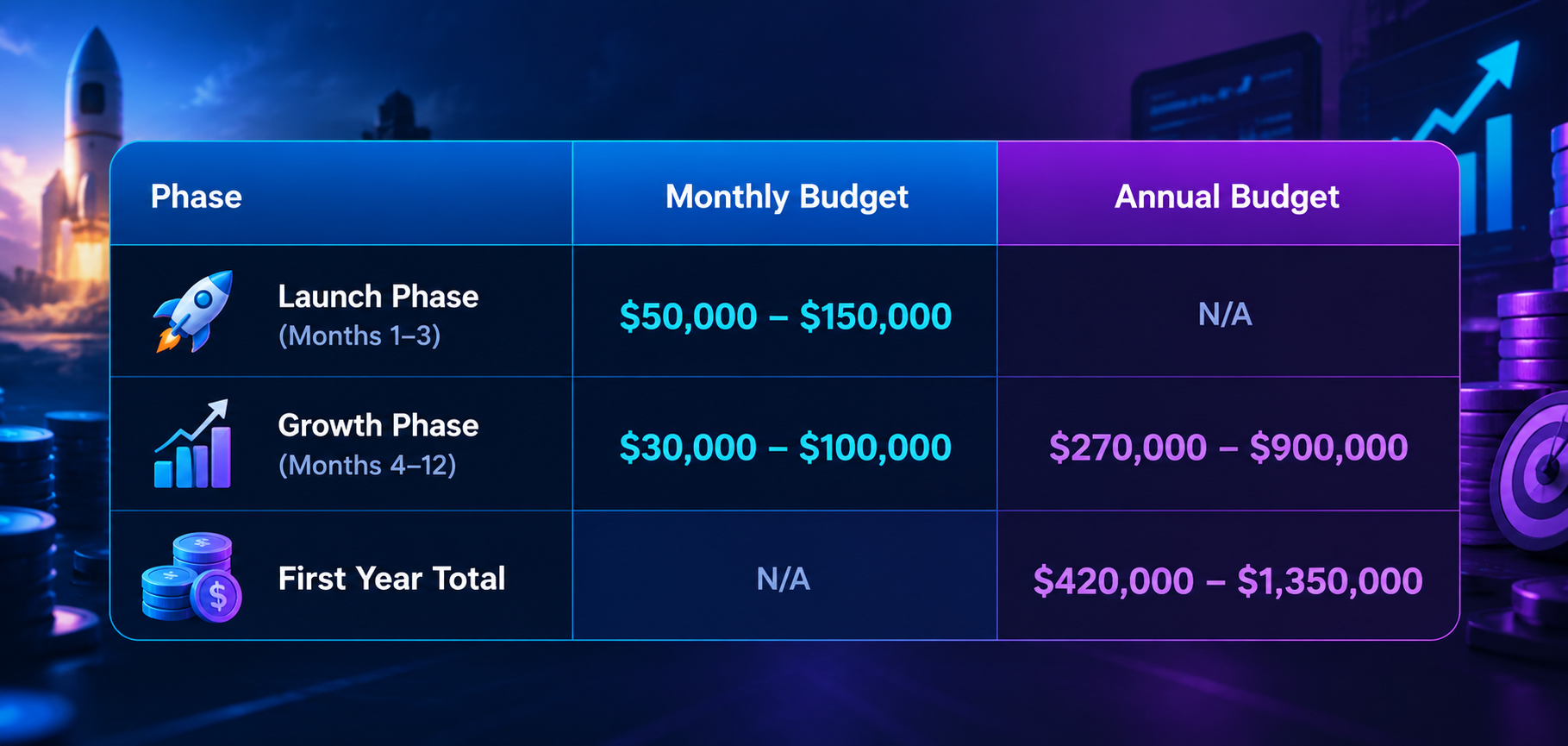
Beyond platform expenses, supporting technology infrastructure requires ongoing investment.
Cloud infrastructure costs scale with traffic and data requirements:
Security compliance protects player data and maintains licensing:
Beyond the core platform, specialized data and security feeds are essential for daily operations. These services ensure your odds are competitive and your platform is secure.
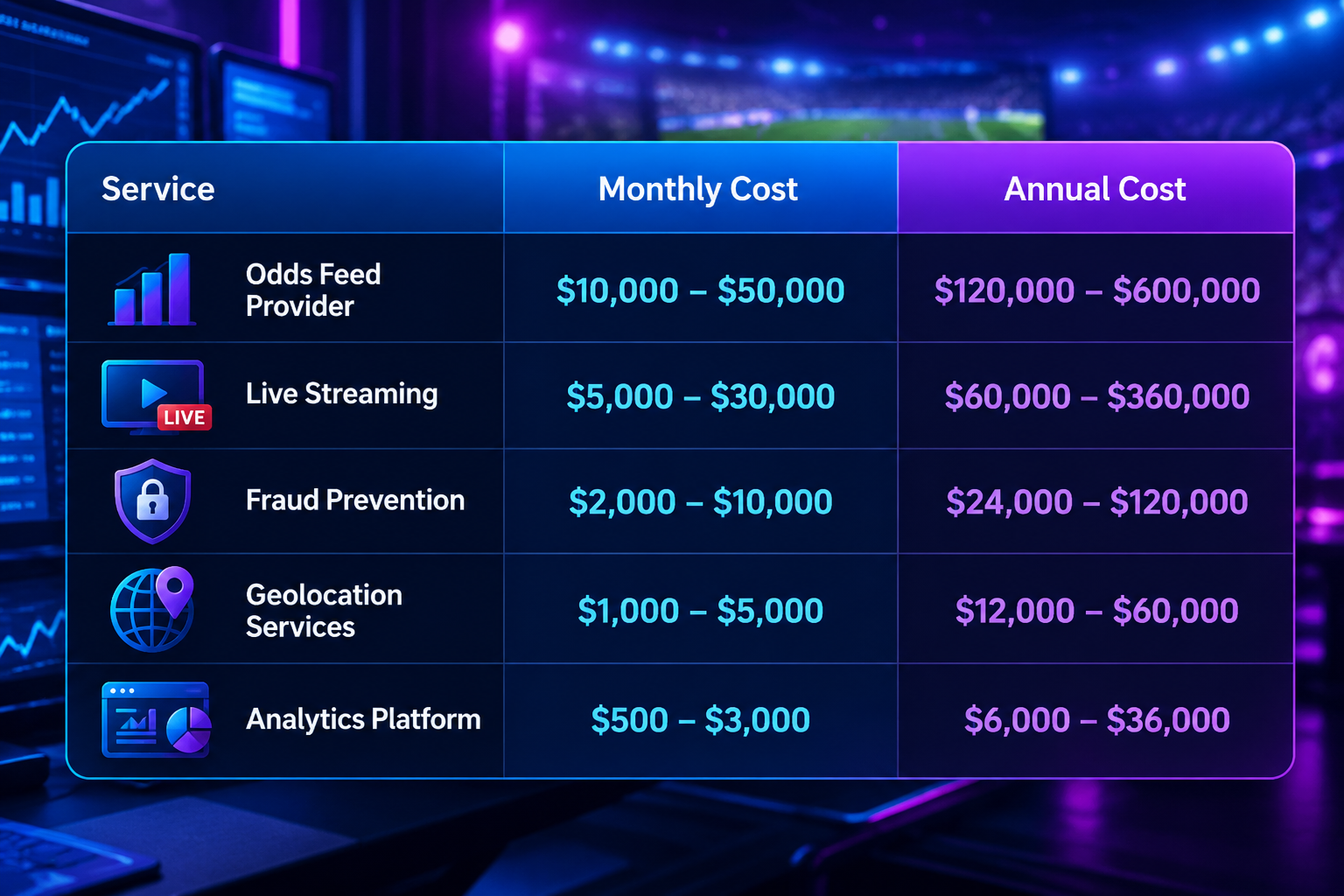
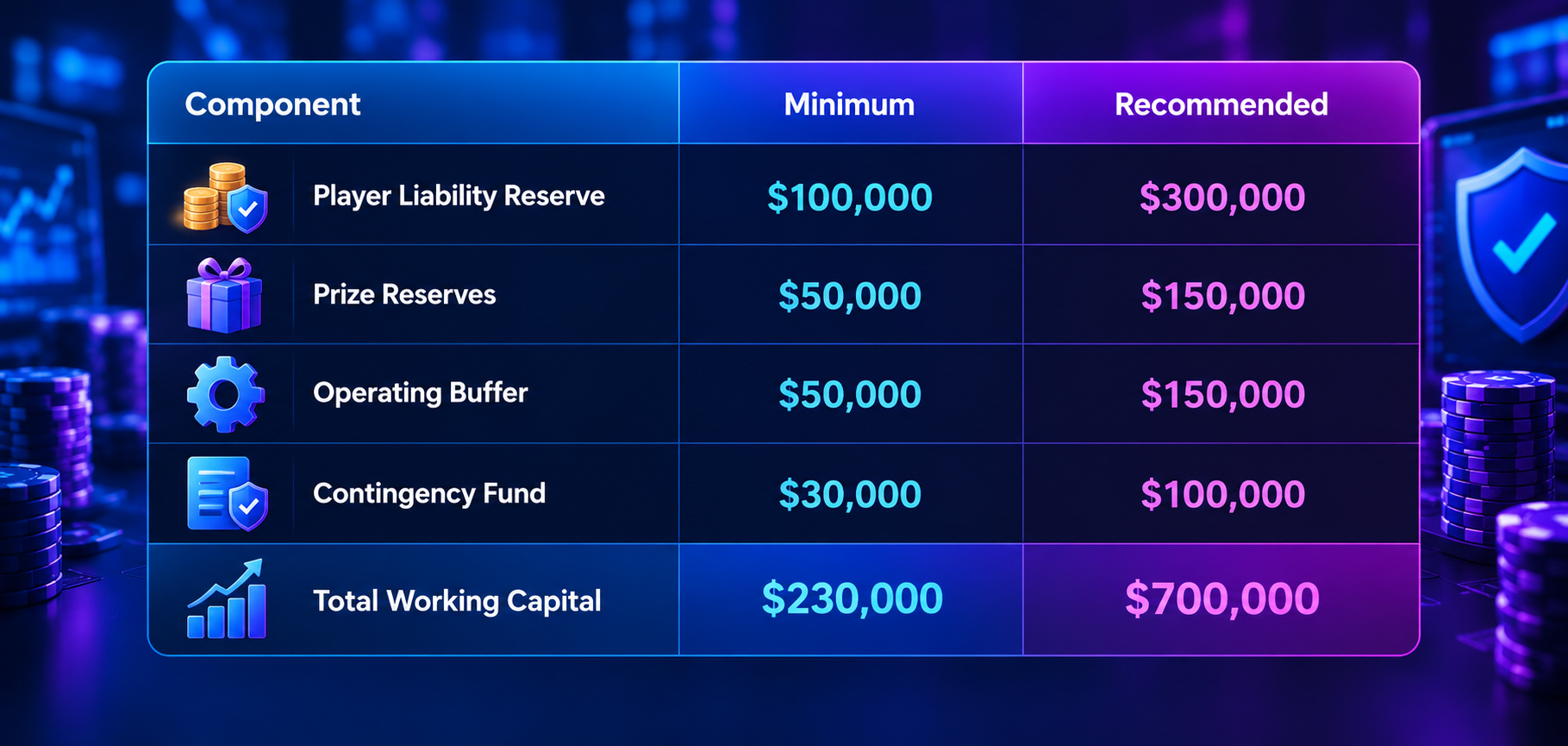
Beyond setup costs, sufficient working capital ensures operational continuity during the growth phase before profitability.
Bankroll requirements depend on betting limits and risk exposure:
Prize reserves ensure withdrawal capability regardless of results:
Payment processing delays create timing gaps between deposits and fund availability:
Unexpected expenses inevitably arise during early operations:
Sufficient working capital ensures you can cover big player wins and operational gaps during the early growth phase before reaching the break-even point.
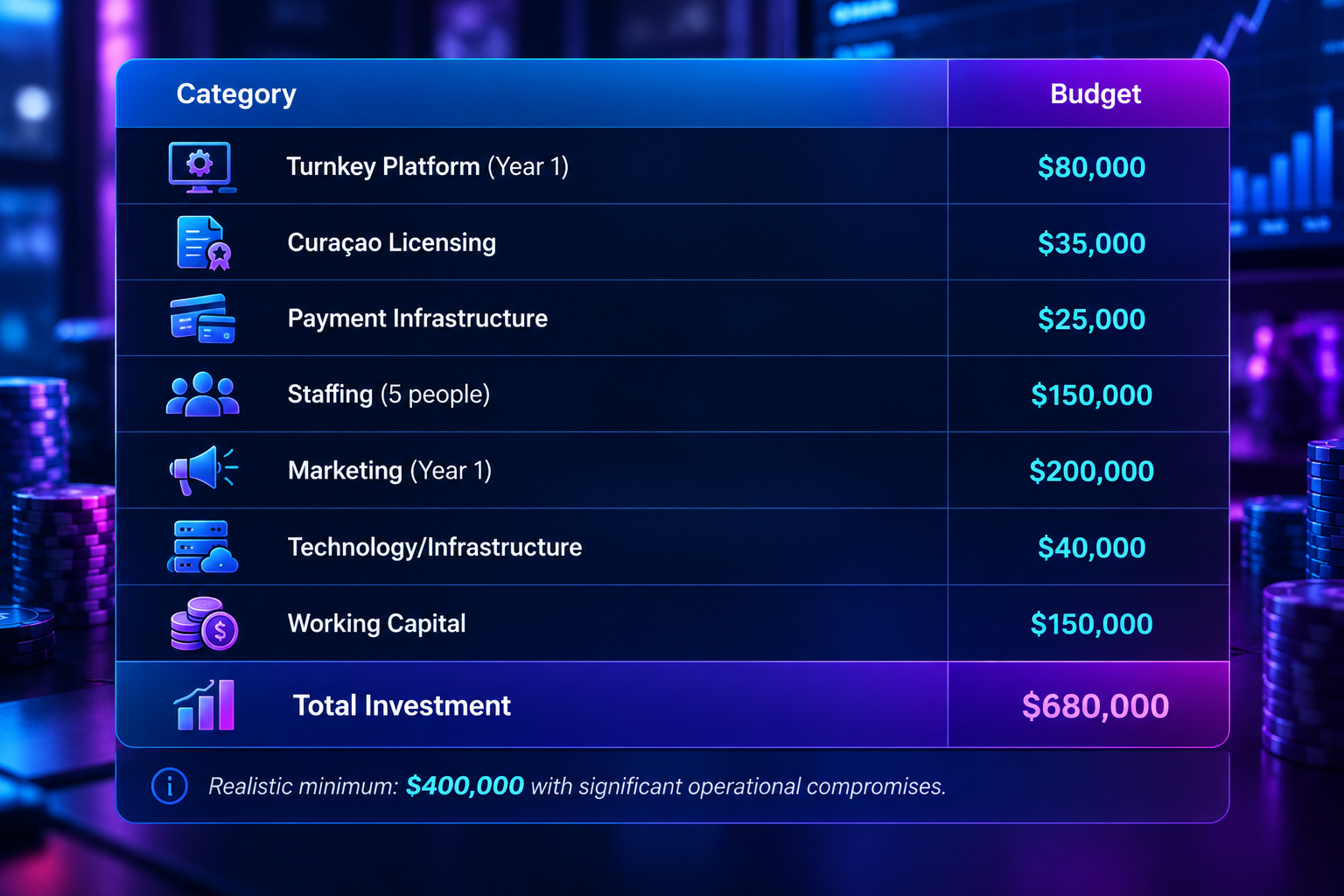
Targeting unregulated or lightly regulated markets with a turnkey platform and minimal staff.
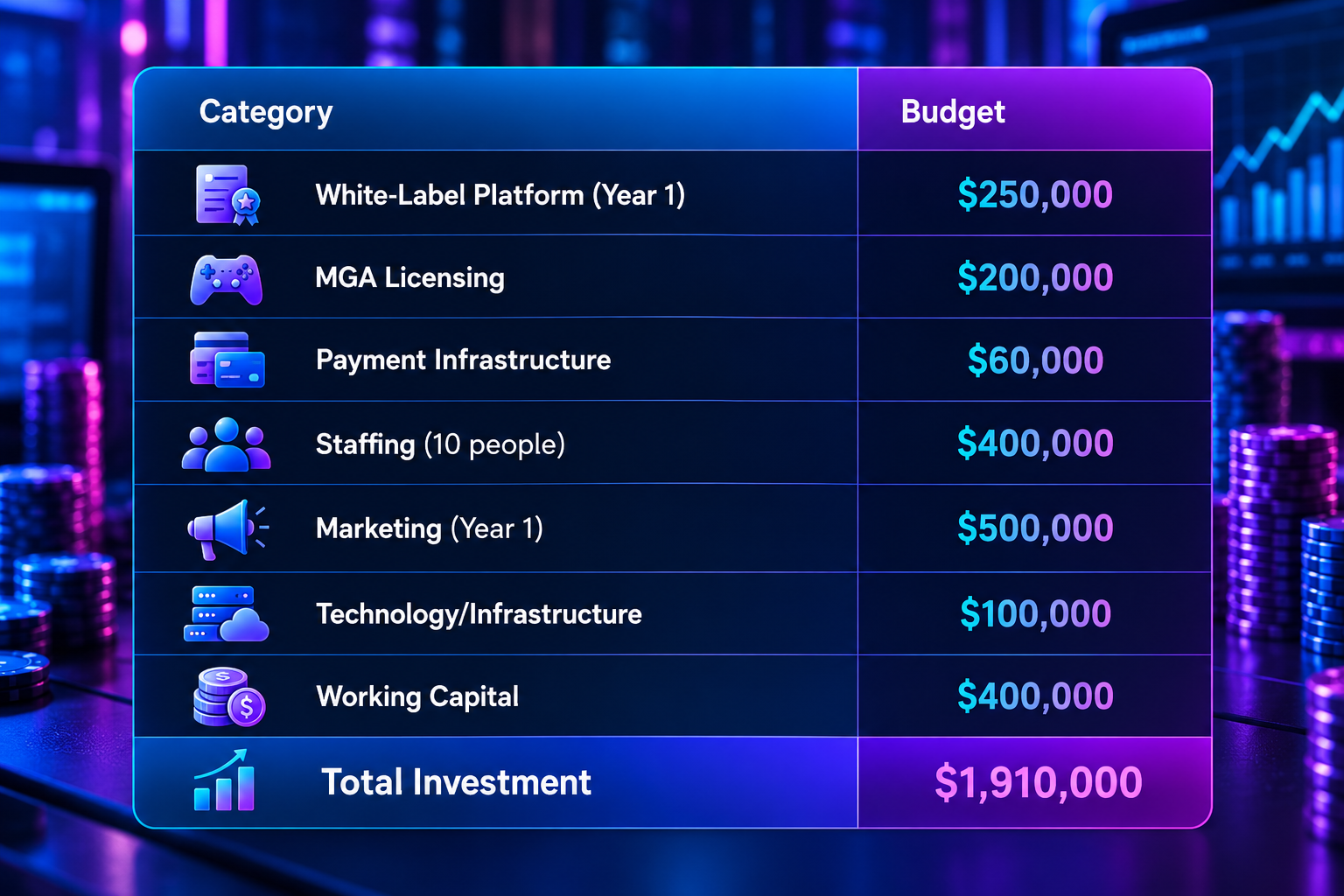
White-label platform with MGA license targeting European and international markets.
Custom or enterprise white-label platform with multiple tier-one licenses and large-scale operations.

In short, allocate 20-30% more funding than your baseline estimates suggest, and you’ll ensure your sportsbook’s long-term success.
Realistic first-year budgets range from $400,000 for small businesses in emerging markets to $5,000,000 or more for premium platforms operating in multiple GEOs. But most successful mid-tier operators invest between $1,500,000 and $2,500,000 before achieving sustainable profitability.
Unfortunately, the cost of launching a sportsbook often exceeds initial estimates, but sufficient capitalization provides the flexibility to overcome challenges without compromising long-term potential.